Tank vs. Tankless Water Heaters: What Marysville, WA, Homeowners Should Know
Choosing the right water heater is one of the most practical decisions Marysville, WA, homeowners can make. Understanding the difference between tank and tankless water heaters helps you pick the right fit for your home and budget. Whether your current unit is aging out or you are building new in Snohomish County, this guide breaks down what each type of water heater offers so you can decide with confidence.
How Tank and Tankless Water Heaters Actually Work
Tank water heaters store a large volume of hot water and keep it warm around the clock. Most homes in the area use 40- to 50-gallon models. The upside is simplicity: the hot water is always ready the moment you turn on the tap. The downside is that the unit is constantly using energy to maintain that temperature, even at 2 a.m. when no one is showering.
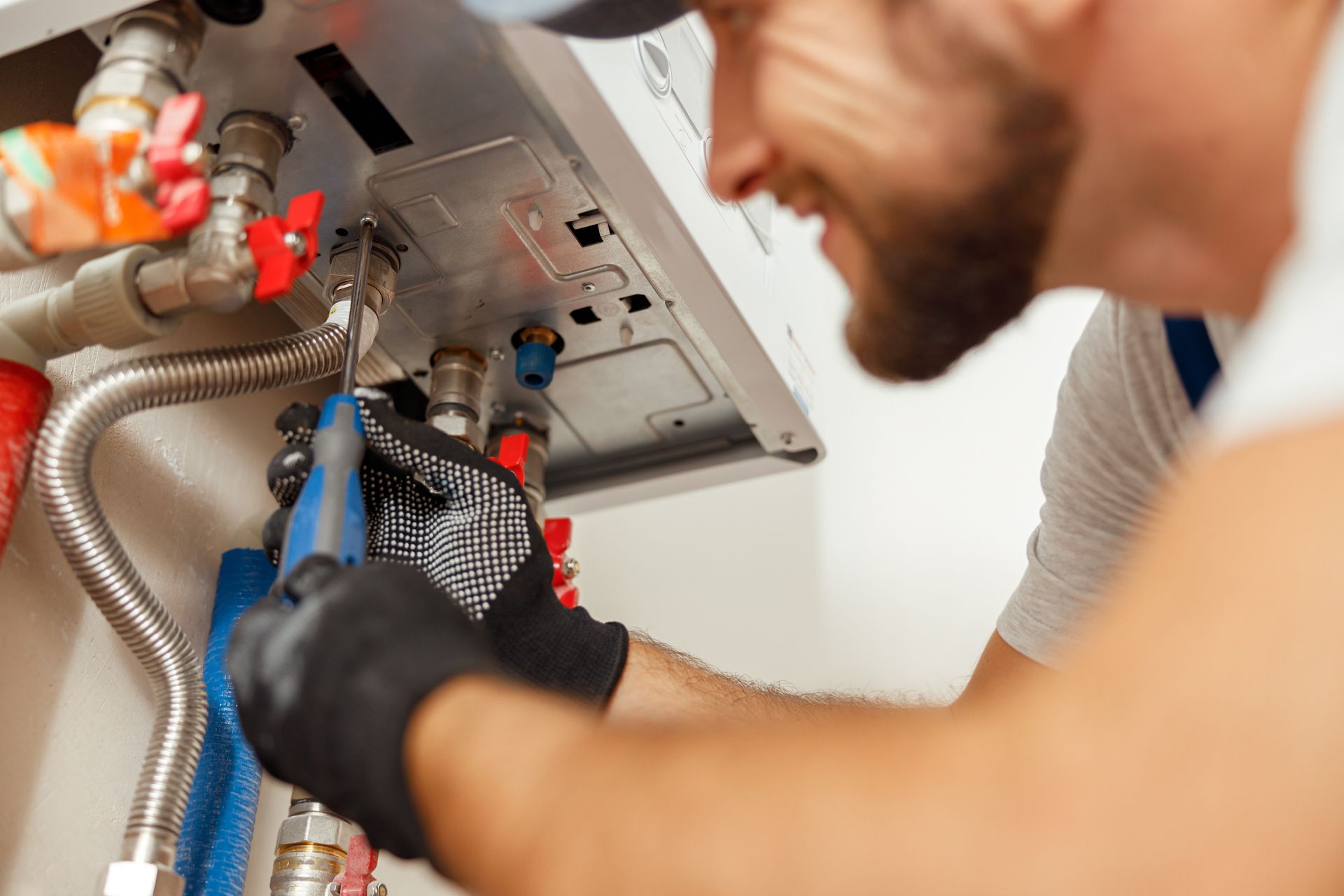
Tankless water heaters, by contrast, heat water only when you need it. Cold water flows through the unit, a burner or heating element fires up, and hot water comes out within seconds. The unit has no storage tank and no standby heat loss. This on-demand approach is more energy efficient, but it requires adequate gas line capacity or electrical service to handle the surge of demand.
What Is the Real Difference in Upfront Cost vs. Long-Term Savings?
Tankless units generally carry a higher upfront price for both the equipment and the installation. A gas tankless system often requires upgrading the gas line, and an electric model may need a panel upgrade. These are real installation considerations for older Marysville, WA, homes in neighborhoods like Grove, Pinewood, or downtown near Comeford Park.
Tank models are less expensive to purchase and install. They can be swapped out quickly with minimal changes to existing plumbing. For homeowners on a tighter timeline or budget, this matters. Over the long run, however, a tankless unit can reduce energy use because it eliminates standby heat loss. For larger households with high hot water demand, the energy savings may add up meaningfully over the life of the unit.
Snohomish County Rebates That Can Help Offset Costs
Marysville homeowners served by Snohomish County PUD (SnoPUD) may have access to rebates that reduce the out-of-pocket cost of upgrading. SnoPUD offers rebates of up to $1,000 on qualifying heat pump water heaters (HPWHs) that replace existing water heaters.
Heat pump water heaters are a third category worth knowing about: they pull warmth from surrounding air to heat water and tend to be among the most efficient electric options available. For the most efficient operation, install a heat pump water heater where the air temperature averages 40 degrees Fahrenheit or above. Garages and utility rooms in Marysville can dip below that threshold during winter months, so placement matters.
Working with a PUD-registered contractor can qualify homeowners for instant rebates on water heaters and other upgrades. Always verify current rebate availability directly with SnoPUD, as programs and funding levels can change.
Which Type Makes More Sense for Your Household?
The honest answer depends on a few practical factors specific to your home. A comparison can help clarify your options.
| Factor | Tank Water Heater | Tankless Water Heater |
|---|---|---|
| Upfront cost | Lower | Higher |
| Installation complexity | Straightforward in most homes | May require gas or electrical upgrades |
| Energy efficiency | Uses standby energy | Heats only on demand |
| Hot water supply | Limited to tank capacity | Continuous flow |
| Lifespan | Typically 8-12 years | Often 15-20 years with maintenance |
| Space required | Larger footprint | Compact, wall-mounted |
| Best for | Smaller households or tighter budgets | Larger households with high demand |
For a family of four or more in a newer Marysville home, a tankless unit may offer better long-term value. For a smaller household or a rental property near the Tulalip area, a quality tank model may be the more practical and affordable choice. Homes that run multiple showers simultaneously will benefit most from the continuous flow that tankless units provide.
Does a Tankless Water Heater Work Well in Marysville's Climate?
Marysville winters can bring sustained cold temperatures, especially in January and February. Incoming groundwater temperature drops significantly during these months, which means a tankless unit has to work harder to reach your desired output temperature. This can temporarily reduce the maximum flow rate your unit can deliver. Have a qualified plumber size your tankless unit for Snohomish County's cold-season groundwater temperatures, an important installation detail in this climate.
How Long Do Water Heaters Typically Last?
Tank models commonly last between 8 and 12 years, depending on water quality and maintenance. Marysville tap water can carry minerals that accelerate sediment buildup inside a tank, so periodic flushing helps extend unit life. Tankless models often last 15 to 20 years when properly maintained, partly because there is no standing water sitting in a tank to cause corrosion.
Making the Right Call for Your Marysville Home
Neither option is universally better. The right water heater for a three-bedroom home in Grove, WA, may be very different from what works for a five-person household in the Tulalip or Smokey Point area. Snohomish County permit requirements also apply to water heater installations, so working with a licensed plumber ensures the job meets local code.
If you are weighing your options and want to talk through what makes sense for your specific home,
Resolution Plumbing serves Marysville, WA, and surrounding Snohomish County communities. You can
explore water heater services in detail or reach out directly to
schedule an appointment. Call
(425) 320-6975 to get expert guidance, a clear explanation of your options, and competitive pricing on installation.